Blog
Can You Fit an Outdoor Socket to a Brick Terrace Wall?
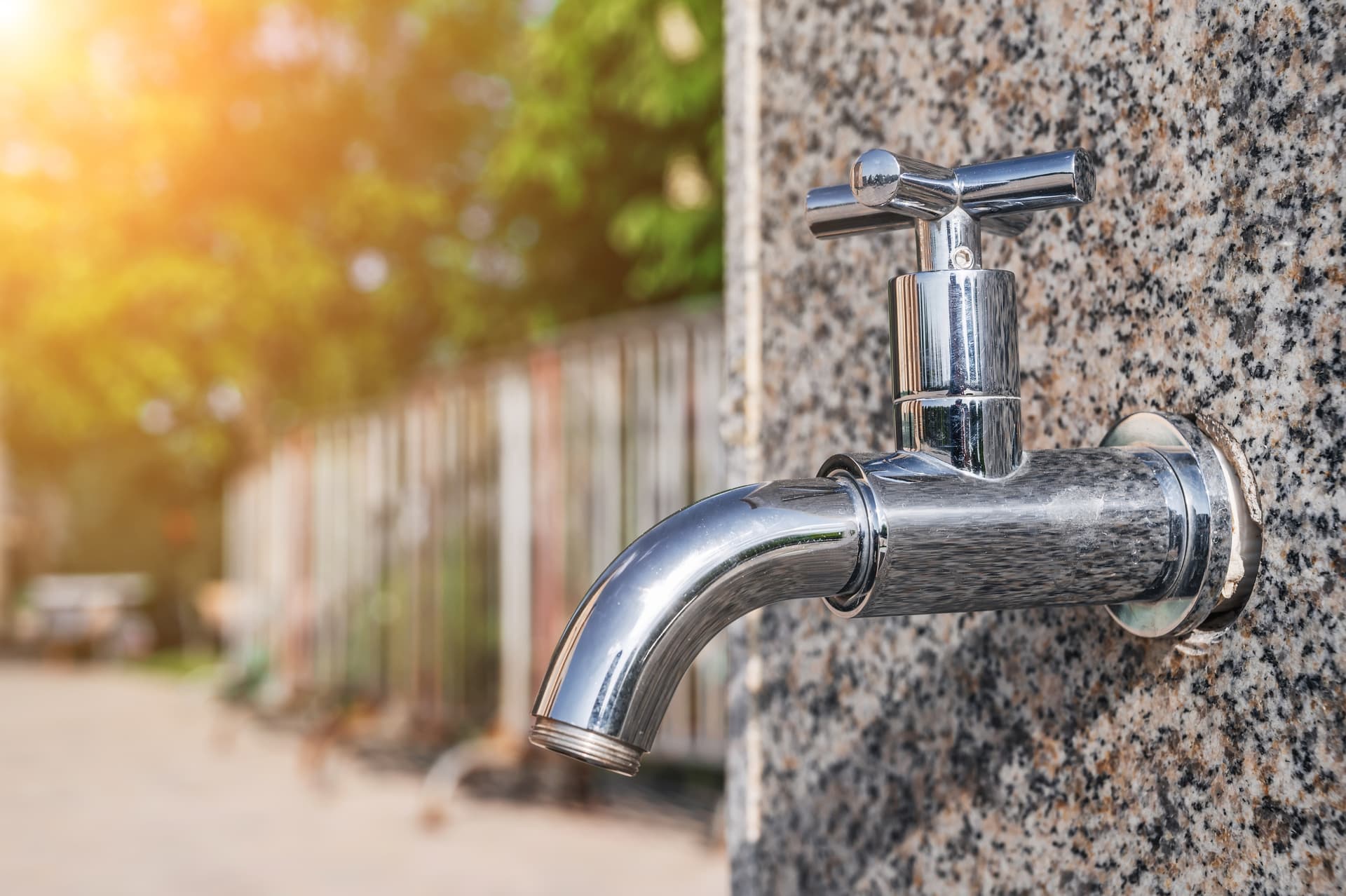
A brick wall is not the only thing that determines where an outdoor socket can go. The wall’s construction, access to a suitable cable route and the equipment you intend to use all affect what installation makes sense. That is why two terrace homes with similar-looking brickwork may need different solutions.
For homeowners in Southville and across Bristol, understanding those factors can help you choose a practical position and have a more useful conversation with an electrician. Our Outdoor Socket Installation page covers the service; here, we’ll look more closely at how the property itself shapes the decision.
Start with the wall, not the socket
An outdoor socket can be fitted using a surface-mounted enclosure, or recessed into the wall where the construction allows. A recessed fitting sits inside the wall, while a surface-mounted one projects from it. Neither option is automatically better. The right choice depends on the wall and the finish you want.
Older terrace properties may have solid brickwork, while other walls have a cavity or have been altered as part of an extension. The visible brick face does not always reveal what lies behind it. Wall thickness, internal finishes and existing pipes or wiring can all affect whether there is room to recess a box and how the cable can reach it.
If recessing would involve too much disruption or is unsuitable for the wall, a surface-mounted fitting may be the more straightforward option. It still needs to be positioned and fixed carefully, with the cable entry and wall opening dealt with appropriately. The aim is not simply to make the socket sit flush. It is to arrive at a sound installation that suits the property.
The cable route can decide the location
The nearest indoor power point may look like the obvious source, but the shortest route is not always the most practical. A cable may need to pass through internal finishes, travel around an obstruction or follow a route that avoids existing pipes and wiring. The intended socket position also matters: a location that looks convenient outside may be awkward to reach from inside the house.
On a terrace, access can shape the options. A socket on a rear wall may be easy to reach from a kitchen or utility area, but a finished room, fitted units or other concealed services can complicate the route. If the cable needs to travel farther, the installation plan may change. This is one reason it helps to consider the socket’s position alongside the route back to the electrical supply, rather than choosing a spot first and treating the cable as an afterthought.
The wall opening and cable entry also need to be considered as part of the whole installation. A poorly planned route can leave visible cabling, create unnecessary disturbance indoors or make it harder to seal the point where the cable enters. The property’s construction determines which routes are realistic.
Think about what you will plug in
A socket for occasional garden tools has different demands from one intended for equipment that stays connected. Think about what you plan to power, where it will sit and whether you need to use more than one item at a time. That information helps the electrician assess the electrical supply and the position, rather than treating every outdoor socket as the same job.
For example, a socket close to a patio may suit portable equipment, while a pump or fixed outdoor appliance may call for a more considered position and how it is switched on and off. If you are planning a new appliance as well as the socket, mention it before the work is specified. The intended use can affect the safety protection needed and how the socket connects to the electrical supply.
What to have ready before an assessment
You do not need to inspect the wiring or open electrical fittings. Instead, note the wall where you would like the socket, what you want to power and whether there is an indoor room on the other side. A photo of the outside wall and the corresponding indoor area can help explain the layout, though it cannot confirm hidden construction or wiring.
It is also useful to point out visible obstacles, such as a kitchen installation, a conservatory or an existing external pipe. Do not drill through the wall or try to trace concealed cables yourself. The route and electrical requirements need to be assessed by a qualified electrician.
At GLR Electrical, we consider the wall, cable route and intended use together when discussing outdoor socket installation in Bristol. We work to BS 7671 (the wiring standard) and Building Regulations. If you are unsure whether your terrace wall can take a recessed fitting or where the socket should go, tell us how you plan to use it and arrange an assessment. The property will determine the suitable approach.
Other Articles